Athletes push their bodies further than most — and that means their bodies need to be built to handle it. Strength and conditioning isn’t just about lifting heavier or running faster; it’s a structured approach to building the muscular strength, power, endurance, and movement efficiency that keep athletes performing at their best while staying injury-free.
At Juhu Physiotherapy, our strength and conditioning programs are designed specifically for athletes — whether you’re a weekend runner, a competitive swimmer, or someone training for a marathon. Here’s why strength and conditioning matters, and which exercises actually move the needle.
Why Strength and Conditioning Matters for Athletes
1. Injury Prevention
Weak or imbalanced muscles are one of the leading causes of sports injuries. A well-designed conditioning program strengthens the muscles, tendons, and ligaments around your joints, reducing the load on vulnerable areas like the knees, shoulders, and lower back. This is especially important for athletes recovering from or prone to issues like ACL injuries, shoulder injuries, or tennis elbow.
2. Improved Performance
Strength training directly translates to more powerful sprints, longer rallies, higher jumps, and better endurance. Conditioning work also improves your body’s ability to recover between efforts, which matters just as much in competition as raw power does.
3. Better Movement Efficiency
Many athletes develop compensatory movement patterns over years of training — favoring one side, relying on certain muscle groups, or moving with subtle inefficiencies that eventually cause pain. A biomechanical assessment helps identify these patterns early, so your conditioning program can correct them before they turn into injuries.
4. Faster Recovery
Athletes who train consistently for strength and conditioning tend to bounce back faster from hard sessions, minor niggles, and even post-competition fatigue, because their bodies are simply more resilient.
Key Exercises in a Strength and Conditioning Program
A good program is never one-size-fits-all, but most athlete-focused plans include a mix of the following:
- Compound lifts (squats, deadlifts, lunges) — build foundational lower-body and core strength that supports almost every sport-specific movement.
- Plyometrics (box jumps, bounding, medicine ball throws) — develop explosive power for sprinting, jumping, and rapid direction changes.
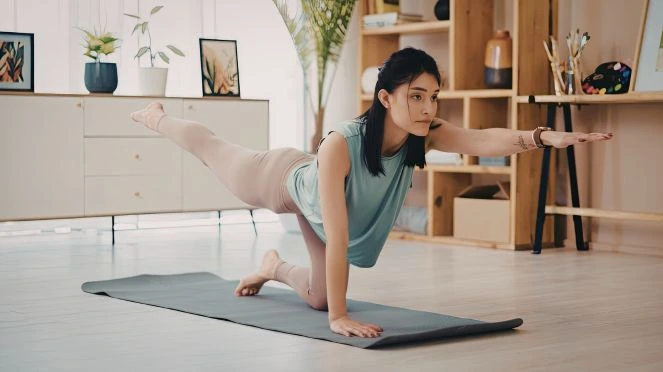
- Core and stability work (planks, anti-rotation exercises, single-leg balance drills) — protect the spine and improve force transfer between the upper and lower body.
- Mobility and flexibility drills — maintain joint range of motion, which is critical for athletes in sports like swimming or dance that demand a large range of movement.
- Sport-specific conditioning — drills tailored to the exact movement demands of your sport, whether that’s the rotational power needed in cricket or the repetitive impact loading in running.
Who Should Consider Strength and Conditioning?
You don’t need to be a professional athlete to benefit. This approach is valuable for:
- Competitive and recreational athletes looking to improve performance
- Anyone returning to sport after an injury who wants to reduce re-injury risk
- Gym-goers who want structured programming rather than random workouts, especially those managing recurring gym-related injuries
- Athletes preparing for a specific season, event, or competition
How Juhu Physiotherapy Approaches Strength and Conditioning?
Every program starts with an assessment of your current strength, movement patterns, and sport-specific demands. From there, we build a progressive plan that addresses any weaknesses or imbalances first, then layers in performance-focused training as your foundation improves. If you’re coming back from a sport-related injury, this often works alongside our broader sports physiotherapy care to make sure conditioning and rehabilitation are aligned rather than working against each other.
If you’re ready to train smarter, reduce your injury risk, and perform at a higher level, get in touch with our team to start a program built around your sport and your body.