Whether you’re a professional cricketer, a competitive swimmer, a dedicated gym-goer, or someone who runs regularly for fitness, injury is an occupational hazard of being physically active. The question isn’t whether you’ll face setbacks — it’s how quickly and completely you recover from them.
Sports physiotherapy exists specifically to answer that question. It’s not generic physiotherapy applied to athletes — it’s a distinct discipline that understands the demands of sport, the specific injury patterns that different activities produce, and the unique goal of returning a person to full athletic performance rather than simply resolving pain.
Here’s how it actually accelerates recovery.
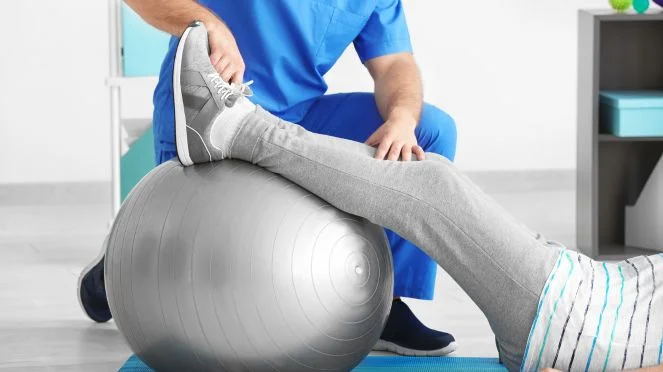
Accurate Diagnosis From the Start
One of the most significant ways sports physiotherapy speeds recovery is by getting the diagnosis right from day one. Many athletes lose weeks — sometimes months — to inappropriate treatment because the underlying problem wasn’t correctly identified initially.
A sports physiotherapist conducts a thorough assessment that goes beyond the site of pain. They look at how you move, identify compensatory patterns that may have developed before or after the injury, and consider the biomechanical context of your specific sport. A biomechanical assessment can be particularly valuable here, identifying movement inefficiencies that both contributed to the injury and will need to be corrected to prevent recurrence.
Getting the diagnosis right means getting the treatment right from session one — and that matters enormously for total recovery time.
Targeted Treatment of the Specific Injury
Different sports produce different injury profiles, and sports physiotherapy is built around this specificity. A running injury involves entirely different mechanics, tissues, and treatment considerations than a swimming injury. A cricket injury — which might involve a fast bowler’s lumbar spine stress fracture, a batsman’s wrist, or a fielder’s shoulder — requires knowledge of the specific movement demands of that sport.
Similarly, gym injuries often arise from overloading under poor technique or inadequate recovery — the treatment approach is different from a contact sport injury or an overuse condition in an endurance athlete.
This specificity allows the physiotherapist to design a treatment programme that addresses not just the injured tissue, but the contributing factors unique to your sport and training load. It also means the rehabilitation exercises prescribed are directly relevant to the movements your sport demands — so you’re rebuilding functional capacity, not just general fitness.
Manual Therapy to Restore Movement and Reduce Pain
Hands-on treatment — joint mobilisation, soft tissue work, dry needling, and massage — plays a central role in sports physiotherapy and provides results that exercise alone cannot achieve as quickly.
Manual therapy reduces pain by modulating the nervous system response, restores joint mobility that protects the injured tissue, and reduces muscle guarding and spasm that restrict movement and delay healing. By addressing these barriers early in the recovery process, athletes can move more freely — and therefore progress through rehabilitation exercises at a faster pace.
This is why athletes under professional sports physiotherapy care typically reach functional milestones significantly faster than those managing injuries on their own or with rest alone.
Structured, Progressive Rehabilitation Programmes
Rest is only the beginning of recovery, and it’s also where many athletes stall. Simply waiting for pain to resolve and then returning to full training is a reliable path to reinjury.
Sports physiotherapy replaces this passive approach with a structured rehabilitation programme that progresses deliberately through stages: reducing inflammation and restoring range of motion, rebuilding strength and proprioception, restoring sport-specific movement patterns, and finally returning to full training and competition load.
Each stage has objective criteria for progression — you advance when the tissue is ready, not just when pain has gone. This approach protects the healing tissue while continuously building back the capacity it needs to withstand athletic demands again.
For more complex injuries requiring surgical intervention, this staged approach continues post-operatively. ACL rehabilitation is one of the most demanding recovery journeys in sport — the return-to-play protocol for ACL reconstruction typically spans nine to twelve months and requires progression through precisely defined physical benchmarks to ensure safe return. A sports physiotherapist manages this entire journey, from initial post-surgical recovery through to clearance for competitive play.
Strength and Conditioning That Supports Return to Sport
The final phase of sports injury recovery isn’t just about the injured area — it’s about restoring your overall athletic capacity. Muscles weaken, cardiovascular fitness declines, and movement patterns become guarded during periods of reduced training. A comprehensive return-to-sport programme addresses all of this, not just the site of injury.
Strength and conditioning integrated with physiotherapy ensures that the return to sport is supported by a body that’s physically prepared for the demands ahead — reducing the risk of reinjury and allowing athletes to return with confidence rather than hesitation.
This is particularly important for shoulder injuries. A shoulder injury that’s been properly rehabilitated — with full restoration of rotator cuff strength, scapular stability, and neuromuscular control — is far less likely to recur than one where treatment was stopped once pain resolved.
Load Management to Prevent Training Errors
Many sports injuries don’t happen in a single traumatic moment — they develop gradually through training errors, inadequate recovery, or accumulated load beyond what the tissue can tolerate. Tennis elbow in a badminton player, patellar tendinopathy in a basketball player, and calf strain in a runner are classic examples of load-related injuries where the training pattern was a significant contributing factor.
Sports physiotherapy doesn’t just treat the injury — it analyses the training load and structure that led to it, provides guidance on modifying training during recovery, and helps the athlete build back to full load at a pace the tissue can adapt to. This reduces total time away from sport by preventing the frustrating cycle of recovery followed by re-aggravation that occurs when an athlete returns too quickly or without addressing the training factors involved.
Dance and Performance-Specific Considerations
Athletes aren’t only those competing in traditional sports. Dancers face an injury profile that’s unique — high demands on turnout, extreme ranges of motion, repetitive loading patterns, and the psychological and professional pressure to continue performing through pain. A dance injury treated by someone who understands the biomechanical demands of classical or contemporary dance will be managed very differently from a generic musculoskeletal presentation.
The same principle applies across all performance disciplines. The sport or activity you’re returning to should directly shape the rehabilitation programme — and that’s only possible when your physiotherapist understands those demands.
Injury Prevention as Part of the Recovery Process
A well-conducted sports physiotherapy programme doesn’t end when you return to play — it leaves you better equipped to avoid the same injury again. Movement screening, technique correction, strength imbalance correction, and education about load management all reduce injury risk going forward.
This preventive dimension is where sports physiotherapy delivers its greatest long-term value. Athletes who understand their bodies, know their vulnerabilities, and have the physical tools to manage their training intelligently simply get injured less often.
If you’re dealing with a sports injury — or want a biomechanical screening to identify risk factors before an injury occurs — our sports physiotherapy team in Juhu offers comprehensive assessment and treatment tailored to your sport and your goals.