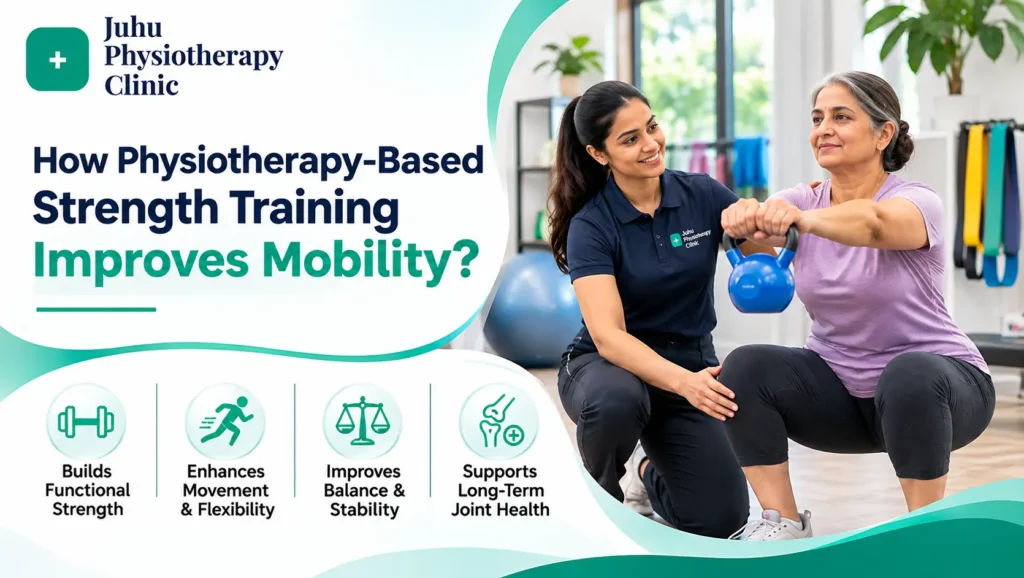
Surgery is only the first step of your recovery. Once you leave the operating theatre, the real work of getting back to normal movement, strength and confidence begins. Many patients feel anxious simply because they do not know what lies ahead. How much pain is normal? When can you walk, drive or return to work? What will physiotherapy actually involve?
This guide walks you through what to expect during post-surgery rehabilitation, from the first days after your operation to your return to full activity, so you can approach recovery with clarity and confidence.
Why Rehabilitation Matters After Surgery
Surgery repairs or replaces a damaged structure, but it also leaves behind pain, swelling, stiffness and weakness. If you rest for too long, joints stiffen, muscles waste away and scar tissue can limit movement. Rehabilitation guides your body through healing in the right order, so the repaired area regains movement and strength safely.
A structured programme also lowers the risk of complications and setbacks. If you want to understand the benefits in more detail, read why post-surgery physiotherapy is important for faster recovery.
The Stages of Post-Surgery Rehabilitation
Every surgery has its own protocol, and your surgeon’s instructions always come first. Even so, most recoveries follow four broad stages. The timings below are approximate and vary from person to person.
Stage 1: Protection and Early Movement
This stage covers the first days to weeks after surgery. Your body is focused on healing, and the priorities are to control pain and swelling, protect the surgical site and begin gentle movement. You can expect:
- Some pain, swelling and bruising, which are normal early on
- Guidance on safely getting in and out of bed, using a walker or crutches, and moving around your home
- Simple circulation and breathing exercises to reduce the risk of complications
- Gentle movements of nearby joints that your surgeon has approved
Many patients are surprised that physiotherapy begins so early. Early, careful movement helps prevent stiffness and supports healing. If travelling to a clinic is difficult at this point, post-surgery home physiotherapy lets sessions start in your own home soon after discharge.
Stage 2: Restoring Movement
Over the next few weeks, the focus shifts to regaining your range of motion. You can expect:
- Assisted and active movement exercises to improve joint mobility
- Hands-on techniques to ease stiffness and soften scar tissue
- Gradual progress in walking, with support reduced as your surgeon permits
- Some discomfort as you stretch, but not sharp or worsening pain
Stage 3: Building Strength
Once the area is healing well and your surgeon approves, you begin to load it progressively. This is often the longest stage. You can expect:
- Resistance exercises using body weight, bands or light weights
- Balance and stability training to improve control
- Practice of everyday tasks such as standing up from a chair, climbing stairs and carrying objects
- Good days and tougher days, which is a normal part of the process
Stage 4: Return to Full Activity
The final stage prepares you for what you actually want to do, whether that is walking comfortably, returning to work, playing with your grandchildren or getting back to sport. Training becomes more specific, and your physiotherapist checks that your strength, movement quality and confidence are ready before you return to demanding activities.
What to Expect for Common Surgeries
Different operations bring different challenges and timelines. Here is a quick guide to some of the most common ones, with links to the programmes we offer:
- Knee replacement: early walking and bending exercises, then strength and stair training. See our knee replacement rehabilitation programme.
- Hip replacement: safe movement habits, walking practice and a gradual return to everyday activities. See hip replacement rehabilitation.
- ACL reconstruction: a longer, criteria-based plan that builds towards a safe return to sport. See ACL surgery rehabilitation.
- Spine surgery: careful, phased loading to protect the spine while rebuilding core strength. See spine surgery rehabilitation.
- Rotator cuff repair: protecting the repair first, then restoring movement, then strength over several months. See rotator cuff surgery rehabilitation.
- Fracture fixation: rebuilding movement and strength once the bone has healed. See fracture recovery physiotherapy.
For an overview of everything we offer, visit our post-surgery rehabilitation page.
What Happens in a Physiotherapy Session?
Your first visit usually begins with an assessment of your pain, swelling, movement, strength, balance and walking, along with a review of your surgeon’s notes and protocol. From there, your physiotherapist builds a plan around your surgery and your goals. A typical session may include:
- Manual therapy to ease stiffness and improve tissue mobility
- Targeted exercises for movement and strength
- Techniques to manage pain and swelling
- Walking and balance training
- A home exercise programme to practise between visits
If you would like to know what your first appointment looks like, see what to expect at your first physiotherapy visit.
How Long Does Recovery Take?
There is no single answer. Recovery depends on the type of surgery, your age, your general health, how fit you were beforehand and how consistently you follow your programme. Some patients feel much better within weeks, while others, such as those recovering from ACL reconstruction or rotator cuff repair, need several months of structured work. Your surgeon and physiotherapist will give you realistic milestones for your own case.
Common Mistakes That Slow Recovery
- Doing too much too soon, or being too afraid to move at all
- Skipping sessions or stopping as soon as the pain eases
- Ignoring your home exercises
- Not following your surgeon’s restrictions on weight-bearing or movement
- Failing to report warning signs early
We cover these in more depth in common mistakes to avoid during post-surgery recovery.
How to Prepare and Support Your Recovery
- Ask your surgeon for your rehabilitation protocol and any movement restrictions before you leave the hospital.
- Prepare your home in advance: clear walkways, secure loose rugs and arrange essentials within easy reach.
- Plan for help with daily tasks during the first few weeks.
- Eat a balanced diet with enough protein, stay hydrated and get plenty of sleep, since much of the healing happens at rest.
- Keep your follow-up appointments with your surgeon.
If you have an operation planned, starting physiotherapy before surgery can also help you recover faster. Ask your surgeon whether pre-surgery preparation is suitable for you.
When to Contact Your Doctor
Speak to your surgeon promptly if you notice fever, increasing redness or warmth around the wound, discharge from the wound, sudden severe pain, calf pain or swelling, or shortness of breath. These can signal a complication that needs medical attention.
Conclusion
Recovery after surgery is a journey with clear stages, and knowing what to expect makes each one easier to handle. With the right guidance, patience and consistency, most people regain movement, rebuild strength and return to the activities they enjoy.
At Juhu Physiotherapy, we design personalised rehabilitation plans in coordination with your surgeon, and we offer both clinic and home visits. If you or a family member has had surgery or has one coming up, you can book an appointment and we will help you plan every step of your recovery. For questions about costs and insurance, see our fees and insurance page.