Pain, stiffness, weakness, or difficulty moving should never be ignored, especially when it affects your daily routine. Many people wait until the pain becomes severe before seeking help, but early physiotherapy can prevent minor issues from becoming long-term problems. Orthopaedic physiotherapy focuses on treating conditions related to muscles, joints, bones, ligaments, tendons, and the spine. It helps improve mobility, reduce pain, restore strength, and support long-term recovery.
At Juhu Physiotherapy, our orthopaedic physiotherapy in Juhu is designed for people dealing with back pain, neck pain, knee pain, shoulder problems, arthritis, slipped discs, sciatica, postural issues, and post-surgery recovery. If you are unsure whether you need treatment, here are the most common signs that it may be time to consult a physiotherapist.
1. You Have Persistent Back Pain
Back pain is one of the most common reasons people visit a physiotherapist. It may start as mild discomfort after sitting for long hours, lifting something heavy, exercising incorrectly, or sleeping in a poor position. However, if the pain continues for several days, keeps returning, or starts affecting your movement, it may need professional attention.
Persistent lower back pain may be linked to muscle strain, poor posture, disc issues, weak core muscles, or nerve irritation. Similarly, upper back pain can develop due to prolonged desk work, rounded shoulders, stiffness, or poor spinal mobility.
Orthopaedic physiotherapy helps identify the cause of your back pain and treats it through manual therapy, mobility work, strengthening exercises, posture correction, and pain-relief techniques. Instead of only managing symptoms, physiotherapy focuses on improving how your body moves so the pain does not keep coming back.
2. Your Neck Feels Stiff or Painful
Neck pain is often caused by long screen time, poor posture, stress, sleeping incorrectly, or cervical spine problems. If your neck feels stiff, painful, or difficult to turn, it may be a sign that your muscles and joints need proper treatment.
Many people also experience headaches, shoulder tightness, or pain that travels into the arm along with neck pain. In some cases, symptoms may be related to cervical spondylosis, nerve compression, or postural strain.
Physiotherapy can help reduce stiffness, improve neck mobility, strengthen supporting muscles, and correct posture habits that contribute to recurring pain. If you work at a desk or use your phone for long hours, ergonomic advice in Juhu may also help prevent future discomfort.
3. You Struggle with Shoulder Pain or Limited Movement
Shoulder pain can make simple tasks difficult, such as reaching overhead, wearing clothes, lifting objects, sleeping on one side, or exercising. If your shoulder feels painful, weak, or restricted, physiotherapy can help restore normal movement.
Common shoulder issues include rotator cuff injuries, impingement, muscle strain, tendon irritation, and frozen shoulder. Frozen shoulder often causes stiffness that gradually worsens, making it hard to move the arm freely.
At Juhu Physiotherapy, treatment for shoulder pain may include mobility exercises, strengthening, manual therapy, posture correction, and shoulder stability training. If the pain is related to sports, gym activity, swimming, or overhead movements, sports physiotherapy in Juhu may also be useful.
4. Your Knee Pain Is Affecting Walking or Stairs
Knee pain can affect people of all ages. It may happen due to arthritis, ligament injury, meniscus problems, muscle weakness, poor movement patterns, or overuse. If you find it difficult to climb stairs, squat, walk comfortably, sit cross-legged, or stand for long periods, it may be time to seek physiotherapy.
Knee pain often worsens when ignored because people start changing the way they walk or move to avoid pain. This can put extra stress on the hip, back, or ankle.
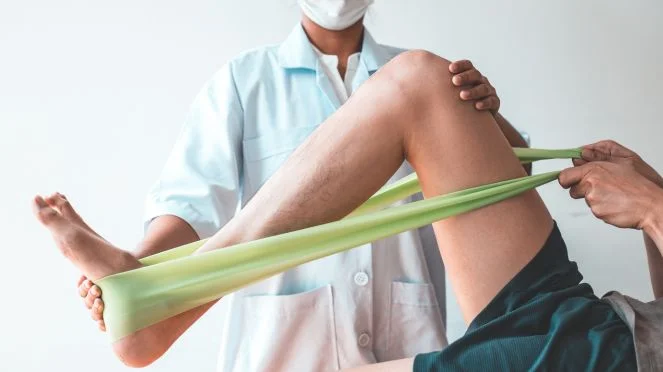
Orthopaedic physiotherapy helps improve knee strength, flexibility, balance, and joint stability. Treatment may include targeted exercises for the quadriceps, hamstrings, glutes, and calf muscles, along with movement correction and pain-relief techniques. If you have had knee surgery, post-surgery rehabilitation in Juhu can support safe recovery.
5. You Have Hip Pain or Difficulty Moving
Hip pain can affect walking, sitting, standing, climbing stairs, and sleeping. It may be caused by joint stiffness, muscle weakness, arthritis, injury, poor posture, or movement imbalance. If your hip feels tight, painful, or unstable, physiotherapy can help improve comfort and function.
Hip pain is often connected to the lower back, pelvis, knees, or walking pattern. That is why a physiotherapist assesses your full movement chain instead of treating only the painful area.
Treatment may include hip mobility exercises, strengthening, balance training, manual therapy, and gait correction. For patients recovering from hip surgery, specialised rehabilitation can help restore confidence and safe movement.
6. Pain Travels Down Your Arm or Leg
Pain that spreads from the back into the leg, or from the neck into the arm, may indicate nerve irritation. This type of pain may feel sharp, burning, tingling, numb, or electric. It can also be associated with weakness or difficulty sitting, standing, walking, or gripping objects.
Conditions such as sciatica and slipped disc often cause radiating pain. These symptoms should not be ignored, especially if they interfere with daily life.
Orthopaedic physiotherapy helps reduce nerve irritation, improve spinal mobility, strengthen supporting muscles, and guide safe movement. Treatment is personalised depending on your symptoms, pain level, and functional limitations.
7. You Are Recovering After Surgery
Surgery is only one part of recovery. Physiotherapy plays an important role in restoring movement, strength, flexibility, and confidence after surgery. Without proper rehabilitation, patients may experience stiffness, weakness, swelling, pain, or delayed return to normal activities.
You may need physiotherapy after knee replacement, hip replacement, ACL surgery, spine surgery, rotator cuff surgery, fracture treatment, or other orthopaedic procedures. Juhu Physiotherapy offers structured post-surgery rehabilitation in Juhu to help patients recover safely.
A physiotherapist guides you through each stage of healing, starting with gentle movements and gradually progressing to strengthening, balance, mobility, and functional exercises. This helps reduce complications and supports long-term recovery.
8. You Have Poor Posture or Work-Related Pain
Modern lifestyles often involve long hours of sitting, laptop use, phone scrolling, and limited movement. Over time, this can lead to rounded shoulders, forward head posture, back stiffness, neck pain, headaches, and muscle fatigue.
If your pain increases during work or after sitting for long periods, you may benefit from posture correction and ergonomic guidance. Poor posture does not only affect appearance; it can also increase stress on joints, muscles, and the spine.
Physiotherapy helps improve posture by strengthening weak muscles, stretching tight areas, improving spinal mobility, and teaching better movement habits. For office workers and corporate teams, corporate wellness in Juhu can also help reduce work-related pain and improve long-term health.
9. You Keep Getting Repeated Injuries
If you frequently experience sprains, strains, muscle pulls, or joint pain, your body may have underlying weakness, imbalance, or poor movement control. Repeated injuries are common among athletes, gym-goers, dancers, runners, and active individuals.
A physiotherapist can assess your strength, flexibility, posture, balance, and movement patterns to identify why injuries keep happening. For sports-related concerns, sports injury treatment and sports physiotherapy can help you recover and reduce the risk of recurrence.
You may also benefit from biomechanical assessment in Juhu, which helps analyse how your body moves during walking, running, training, or sport-specific activity.
10. You Have Arthritis or Joint Degeneration
Arthritis can cause joint pain, stiffness, swelling, reduced flexibility, and difficulty with daily activities. Many people think they must stop moving when they have arthritis, but the right physiotherapy can actually help maintain mobility and reduce discomfort.
Orthopaedic physiotherapy for arthritis focuses on joint-friendly exercises, strengthening, flexibility, posture, balance, and pain management. The goal is to help you move better without overloading painful joints.
If pain becomes chronic or long-lasting, chronic pain management in Juhu may also help improve quality of life through a structured, patient-focused approach.
11. You Feel Weak, Unstable, or Afraid to Move
Pain often causes people to avoid movement. Over time, this can lead to weakness, stiffness, reduced confidence, and fear of activity. If you feel unstable while walking, climbing stairs, exercising, or returning to normal activities, physiotherapy can help rebuild strength and control.
Orthopaedic physiotherapy uses progressive exercises to improve balance, coordination, muscle strength, and functional ability. For people who need additional support, home visit physiotherapy in Juhu may be helpful, especially after surgery, injury, or mobility limitation.
12. Daily Activities Are Becoming Difficult
One of the clearest signs that you need physiotherapy is when pain starts interfering with everyday life. This may include difficulty walking, sitting, standing, bending, lifting, sleeping, working, exercising, driving, or doing household tasks.
You should not wait until the pain becomes unbearable. Early treatment often leads to better outcomes and faster recovery. Orthopaedic physiotherapy can help restore your independence and make daily movement easier.
What Happens During Orthopaedic Physiotherapy?
During your first session, the physiotherapist will assess your symptoms, medical history, posture, movement, strength, flexibility, and pain triggers. Based on the assessment, a personalised treatment plan is created.
Your treatment may include manual therapy, joint mobilisation, stretching, strengthening exercises, posture correction, balance training, pain-relief techniques, and education about safe movement. The aim is not only to reduce pain but also to improve long-term function.
When Should You Book an Appointment?
You should consider booking physiotherapy if your pain lasts more than a week, keeps returning, limits movement, affects sleep, causes tingling or numbness, or makes daily activities difficult. You should also seek help after injury or surgery to ensure safe recovery.
At Juhu Physiotherapy, we treat a wide range of conditions with personalised care and evidence-based rehabilitation. Whether you are dealing with back pain, neck pain, frozen shoulder, knee pain, sciatica, slipped disc, arthritis, or post-surgery weakness, our team can help you move better and recover with confidence.
Conclusion
Orthopaedic physiotherapy is not only for severe injuries or post-surgery cases. It is also helpful for everyday pain, stiffness, posture problems, weakness, and recurring discomfort. If your body is sending warning signs, early physiotherapy can help you recover faster, prevent further issues, and improve your quality of life.